
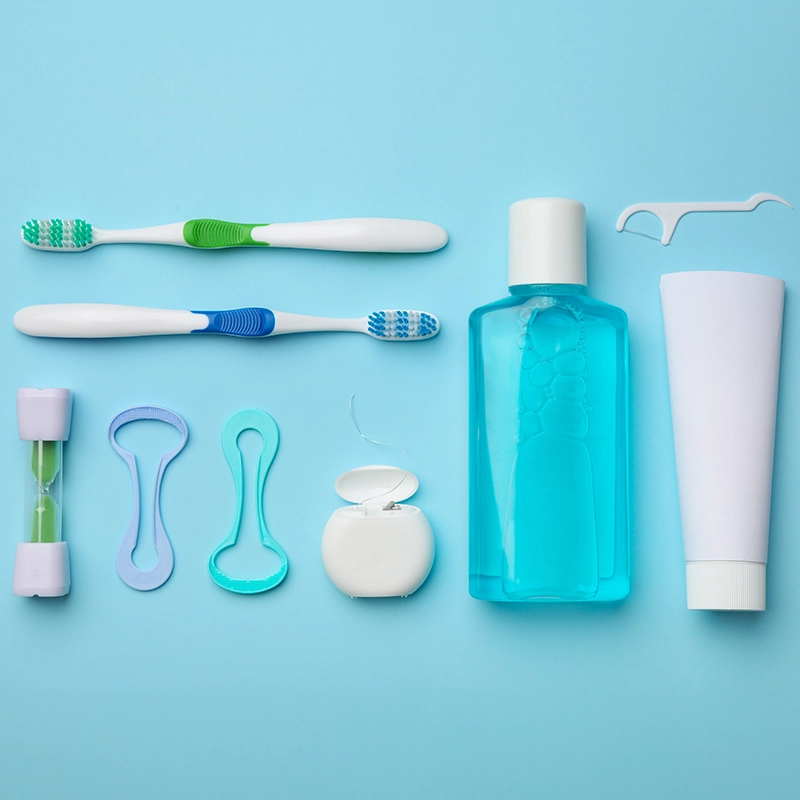

A reliable daily hygiene routine forms the backbone of long-term dental health. While many individuals view oral care primarily as a cosmetic priority, keeping your teeth and gums clean protects against structural damage, systemic inflammation, and costly restorative interventions later in life. Consistent brushing, regular flossing, and periodic professional evaluations work together to keep your mouth free of harmful pathogens and maintain your natural teeth for a lifetime.
Essential daily habits for healthy teeth and gums
Effective oral care starts with simple, consistent actions performed every day. Brushing twice daily for a full two minutes remains the single most important habit for controlling bacterial growth. Using a soft-bristled toothbrush angled at 45 degrees toward the gumline helps lift away plaque without eroding tooth enamel or irritating delicate gum tissue.
Plaque is a soft, sticky bio-film composed of saliva, food residues, and living bacteria. When you eat, these bacteria feed on carbohydrates and release acidic byproducts that attack tooth enamel. Over time, unremoved plaque weakens the mineral structure of the tooth, eventually leading to decay and cavities. Using fluoride toothpaste strengthens enamel through remineralization, making it far more resistant to daily acid exposure.
Flossing once a day is equally crucial because toothbrush bristles cannot reach the tight spaces between adjacent teeth. Interdental cleaning removes food fragments and plaque from areas where cavities and gum irritation frequently originate. For patients who find traditional string floss challenging to maneuver, water flossers or small interdental brushes provide effective alternatives for maintaining clean interdental spaces.
Cosmetic alignment and structural hygiene
Properly aligned teeth are significantly easier to keep clean than crowded or overlapping teeth. When teeth overlap, they create tight crevices where plaque and food particles collect, making standard brushing and flossing less effective. Correcting misalignments improves your bite function while eliminating hard-to-reach bacterial traps across your arch.
Clear aligners offer a discreet, removable option for straightening misaligned teeth without the brackets and wires associated with traditional braces. For patients seeking clear aligner treatment, consulting with experienced clinicians ensures that alignment plans protect both bite mechanics and long-term periodontal stability. Practitioners providing invisalign in Little Neck NY, such as Dr. Saahil Trivedi, emphasize that straight teeth support better oral hygiene by allowing toothbrushes and floss to sweep clean every surface efficiently. Removable aligners also enable patients to brush and floss normally throughout their active treatment period, keeping plaque levels low.
“Misaligned or crowded teeth are not merely an aesthetic concern; they create physical barriers to effective daily plaque removal, elevating long-term risks for localized periodontal inflammation and interproximal decay.” — American Dental Association Clinical Guidance
Professional cleanings: What home care misses
Even with meticulous home care, certain areas inside the mouth remain difficult to reach and thoroughly clean. Over a period of 24 to 72 hours, unremoved plaque absorbs minerals present in your saliva and hardens into tartar, also known as dental calculus. Once tartar forms, routine brushing and flossing cannot remove it.
Professional dental cleanings utilize specialized ultrasonic and hand instruments to scale away hardened calculus from above and below the gumline. Hygiene appointments typically follow a clear, systematic process:
- Comprehensive oral evaluation: The dental team examines tooth surfaces, measures periodontal pocket depths, and checks soft tissues for early signs of inflammation or disease.
- Targeted scaling: Specialized tools gently dislodge tartar deposits from enamel surfaces and along the gingival margin.
- Polishing and fluoride treatment: A gritty polishing paste removes superficial surface stains, followed by a concentrated fluoride application to reinforce enamel against decay.
Attending professional cleanings every six months prevents minor plaque accumulation from escalating into chronic gum inflammation. Early-stage gum disease, or gingivitis, is completely reversible with professional scaling and diligent home care. However, if left untreated, gingivitis can progress into periodontitis, a chronic infection that damages the supporting bone structure around your teeth.
Restorative solutions for missing teeth
When severe decay, physical trauma, or advanced periodontal disease results in tooth loss, prompt replacement is essential for preserving oral health. Leaving a gap in your dental arch causes surrounding teeth to drift out of position, altering your bite alignment and increasing stress on neighboring teeth during chewing.
Modern restorative dentistry offers long-lasting options for replacing missing natural teeth. For patients exploring permanent tooth replacement, seeking care for dental implants in Springfield VA under the guidance of practitioners like Dr. Jason Dulac helps restore both functional chewing power and natural jawbone density. Dental implants integrate directly into the jawbone through a biological process called osseointegration, providing a stable foundation that mimics natural root structure and prevents bone loss over time.
Clinical studies report that modern dental implants maintain success rates exceeding 95% over a 10-year period when paired with thorough daily oral hygiene and regular clinical follow-ups. Because implants do not rely on adjacent teeth for support, they preserve natural tooth structure while restoring complete biting efficiency.
See also: AI in Personal Digital Assistants
The oral-systemic connection
Your mouth serves as an entry point to your digestive and respiratory tracts, making oral health a key indicator of your overall systemic wellness. Chronic inflammation in your gums allows oral bacteria to enter your bloodstream, triggering immune responses throughout the body.
Medical research links chronic periodontal disease with several major systemic health conditions:
- Cardiovascular health: Inflammation caused by oral bacteria can contribute to arterial plaque buildup, increasing risks associated with heart disease and high blood pressure.
- Diabetes control: Chronic gum infection elevates systemic inflammation, making blood sugar levels more difficult to manage for diabetic patients. Conversely, poorly controlled diabetes reduces the body’s ability to resist oral infections.
- Respiratory conditions: Bacteria drawn from infected oral tissues into the lungs can cause or complicate respiratory infections such as pneumonia, particularly in older adults.
By maintaining clean teeth and healthy gums, you reduce systemic inflammatory stress and actively support your body’s broader health defenses.
Nutrition and enamel preservation
Daily nutrition directly impacts the strength of your tooth enamel and the balance of bacteria in your mouth. Enamel is the hardest tissue in the human body, but it remains susceptible to acid erosion caused by frequent consumption of sugary or acidic foods and drinks.
To protect your teeth against enamel loss and decay:
- Limit refined sugars: Cut back on frequent snacking on candies, pastries, and sweetened beverages that feed acid-producing oral bacteria.
- Consume enamel-building nutrients: Eat foods rich in calcium, phosphorus, and vitamin D, such as leafy greens, dairy products, nuts, and lean proteins.
- Drink plenty of water: Fluoridated tap water washes away loose food particles, neutralizes oral acids, and keeps saliva production steady throughout the day.
Saliva acts as a natural protective buffer for your mouth. It contains essential minerals that help repair microscopic enamel erosion while rinsing away lingering sugars before bacteria can digest them.
Long-term commitment to preventive wellness
Achieving and maintaining optimal oral health requires an ongoing partnership between your daily home routine and your professional dental team. Simple actions—brushing twice daily, flossing consistently, choosing nutrient-dense foods, and attending routine checkups—protect your natural teeth and contribute directly to your overall well-being. Investing a few minutes each day in thorough preventive care ensures a functional, comfortable, and resilient smile for life.
